
Understanding the Vehicle Recovery Process with Black Hills Towing in Rapid City, SD
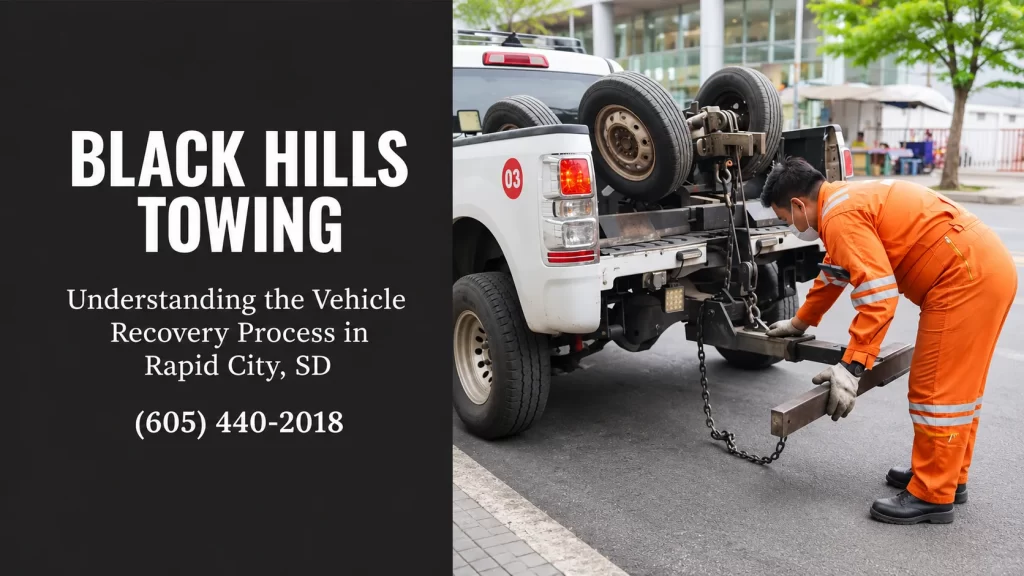
Vehicle recovery Rapid City SD drivers need goes beyond a simple tow. A car in a ditch, a truck sunk in mud, or an SUV stranded on a forest road calls for planning, skill, and the right equipment. Knowing the vehicle recovery process helps you stay calm and make good decisions.
Rapid City sits at the edge of the Black Hills, where city streets meet forest roads, steep grades, and open prairie. Black Hills Towing offers towing services in Rapid City and handles recoveries that range from highway shoulders to rugged trails. The crew builds a plan around the terrain for every call.
Common Situations That Call for a Recovery Crew
Every stuck vehicle tells a different story. Weather, terrain, and driver choices create many situations. Recognizing them helps you ask for the right help.
Weather and Soft Ground
Spring rain turns dirt roads into slick tracks. Winter storms pile drifts across driveways and pullouts. Wet shoulders give way under the weight of a truck. Each scenario needs a plan for vehicle recovery Rapid City SD residents and visitors can trust.
Terrain and Trail Trouble
Forest roads, creek crossings, and steep trails trap trucks and SUVs. High-centered frames, sunk wheels, and tipped vehicles need controlled force to move. Off-road recovery Rapid City adventurers request relies on winches, anchors, and skilled operators.
The same crew supports hunters, hikers, and riders who head to the southern Hills through its towing service in Custer.
How the Crew Evaluates Your Situation
Every recovery starts with a careful assessment. The driver studies the scene before touching any equipment. This step protects people and sets the plan for the pull.
Reading the Terrain
The driver checks ground firmness, slope, and nearby hazards such as water, rocks, or traffic. The driver identifies solid anchor points and measures the distance to firm footing. These findings guide every professional vehicle recovery Rapid City SD crews perform.
Checking the Vehicle
The driver inspects the tires, frame, axles, and tow points. The driver confirms the drive type and the transmission setting. Leaks, damage, or a locked steering wheel change the recovery plan. This inspection gives the crew confidence in the pull.
Read more about what to do when you get stuck while off-roading before your next trail trip. A little knowledge makes the scene easier to handle.
Tools That Make the Pull Possible
Recovery work depends on strong, matched equipment. Each tool has a job, and the crew picks gear based on the vehicle and the ground. Quality gear keeps the process smooth and controlled.
Winches and Anchor Gear
Truck-mounted winches deliver steady pulling power. Snatch blocks change the pull direction and spread the load. Ground anchors and natural anchor points give the cable a stable base. This equipment supports every vehicle recovery Rapid City SD drivers request from a winch-out service.
Straps, Shackles, and Protective Gear
Rated recovery straps and soft shackles connect the vehicle to the line. Dampeners absorb energy if a line fails. Gloves, helmets, and high-visibility vests protect the crew.
- Winch with steel or synthetic line
- Snatch blocks and soft shackles
- Recovery straps and line dampeners
- Traction boards for soft ground
- Protective gloves and vests
Drivers in nearby communities can call the crew for towing in Hermosa, which uses the same range of gear.
How a Winch-Out Unfolds Step by Step
A winch-out service follows a clear sequence. Each step reduces risk and protects the vehicle. Knowing the sequence helps you understand what the crew does.
The Pulling Sequence
- Park the recovery truck on firm ground and set the brakes.
- Attach the line to a rated recovery point on your vehicle.
- Place a dampener over the line.
- Clear the area of people.
- Pull with steady, controlled force while the driver steers.
- Move the vehicle to firm ground and release the line.
This vehicle recovery process takes patience and skill. The operator watches the line, the ground, and the vehicle at every moment. Experienced operators in vehicle recovery Rapid City SD adjust the angle or add a snatch block when the first pull stalls.
Final Checks After the Pull
After the vehicle reaches firm ground, the driver inspects the tires, frame, and undercarriage. The driver checks for leaks and loose parts. If the vehicle shows damage, the driver loads it onto a truck for a safe ride to a shop.
Browse recovery tips and guides on the Black Hills Towing blog to prepare for your next drive. Pack a first aid kit, extra water, and a charged phone for every trip.
Staying Safe During the Pull
A loaded cable carries a lot of energy. Safety precautions keep everyone at the scene out of harm’s way. Follow the driver’s directions at every stage.
Where to Stand
Stay at a safe distance from the line, the vehicle, and the winch. Keep clear of the path of the cable. Place passengers and pets in a safe spot away from the pull.
How to Help the Crew
Listen to the driver. Keep your hands off straps, shackles, and hooks. Point out hidden hazards, loose ground, and animals.
- Leave the keys where the driver asks
- Keep hazard lights on until the driver says otherwise
- Keep children and pets in a safe place
What Can Go Wrong With DIY Recovery
A stuck vehicle tempts drivers to improvise. Improvised methods carry hazards that professional equipment and training avoid. A closer look shows why many drivers call for help.
Injury Hazards
Snapping lines, flying hooks, and slipping jacks injure hands, faces, and legs. Straps tied to the wrong spot launch parts at high speed. Soft ground gives way under a jack. Professional vehicle recovery uses rated gear and trained operators to reduce these hazards.
Vehicle Damage
Wrong attachment points bend bumpers and rip off tow hooks. Wheel spin overheats transmissions and drivetrains. A pull from the wrong angle twists frames. A controlled pull avoids these problems.
How to Request Professional Help
A prepared call gets the right crew to your spot. The dispatcher asks a few questions and plans the response. Share clear facts and stay in a safe place.
Information to Have Ready
- Your location: road name, mile marker, or GPS coordinates
- Your vehicle: make, model, drive type, and size
- Your situation: what happened and what you see
- Your safety: injuries, traffic, and weather
From Dispatch to Drop-Off
Call the team and share your details. Stay with your vehicle in a safe spot. The driver arrives, checks the scene, and begins the recovery. The same team provides roadside assistance Rapid City drivers need for jumpstarts, lockouts, and fuel deliveries.
After the recovery, the driver confirms your next step: drive away, tow to a shop, or tow home. Roadside assistance Rapid City drivers request ranges from a jumpstart to a full recovery. Black Hills Towing handles cars, trucks, campers, motorhomes, semis, and motorcycles.
Final Thoughts on Staying Prepared
Every recovery works best with a clear plan. Know the common situations, share precise details, and keep a safe distance during the pull. Professional vehicle recovery protects your safety and your vehicle. Off-road recovery Rapid City adventurers trust starts with one call.
Ready for help? Save a number for vehicle recovery Rapid City SD before you need it. Contact Us to talk about towing, recovery, and roadside support.
Stay safe with Black Hills Towing.
Quick Answers for Drivers
How does the crew choose an anchor point?
The driver looks for a rated recovery point on the vehicle and a stable object or ground anchor for the line.
Can the crew recover a heavy truck or camper?
Yes. Black Hills Towing handles light, medium, and heavy duty recoveries, including campers, motorhomes, and semis.
What should I do while I wait?
Stay in a safe place, keep your hazard lights on, and keep your phone close. Leave the recovery to the crew.
What if my vehicle has damage after the pull?
The driver inspects it and loads it for a tow if needed. You leave with a safe plan.